Guía paso a paso para experimentos de cultivo celular: desde la preparación hasta el análisis
Mar 17, 2025
Cell culture experiments are a cornerstone of life science research, playing a vital role in drug screening, gene function studies, and disease mechanism exploration. To ensure accuracy and reproducibility, following a standardized experimental protocol is essential. This article provides a detailed guide to the basic steps of cell culture experiments, helping you achieve reliable results efficiently.
1. Pre-Experiment Preparation
1.1 Experimental DesignBefore starting, clearly define the objectives of your experiment and design a robust experimental plan. This includes determining experimental and control groups, selecting appropriate cell lines, and setting time points for data collection.1.2 Reagent and Instrument Preparation
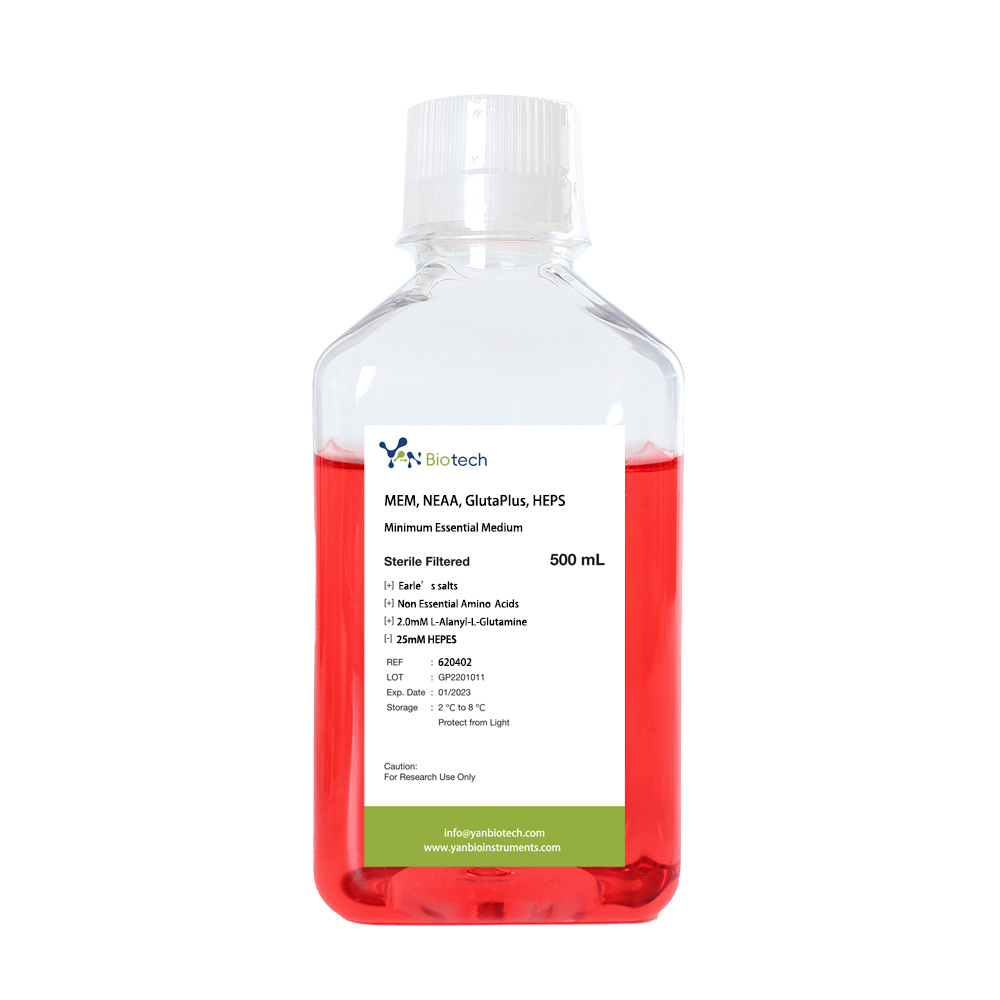
Cell Culture Medium: Choose a suitable medium (e.g., DMEM, RPMI-1640) based on the cell type, and supplement it with necessary serum and antibiotics.
Trypsin: Used for cell detachment.
PBS Buffer: For washing cells.
Instruments: CO2 incubator, biosafety cabinet, centrifuge, inverted microscope, etc.
2. Cell Thawing and Culturing2.1 Cell Thawing
Retrieve frozen cells from the liquid nitrogen tank and quickly thaw them in a 37°C water bath.
Transfer the cell suspension to a centrifuge tube containing pre-warmed medium, centrifuge, discard the supernatant, and resuspend the cells in fresh medium before seeding them into a culture flask.
2.2 Cell Passaging
When cells reach 80%-90% confluency, remove the old medium and wash the cells with PBS.
Add an appropriate amount of trypsin to detach the cells. Once cells round up, add medium to neutralize the trypsin.
Centrifuge, discard the supernatant, and resuspend the cells in fresh medium for subculturing.
3. Experimental Treatment
3.1 Cell Seeding
Seed cells into multi-well plates or culture dishes according to experimental needs, ensuring even cell distribution.
Place the cells in a CO2 incubator and allow them to adhere and reach the desired density.
3.2 Drug Treatment or Transfection
Drug Treatment: Add different concentrations of drugs to the cells based on the experimental design, including control and treatment groups.
Cell Transfection: Introduce plasmids or siRNA into cells using lipofection or electroporation.
4. Cell Detection and Analysis
4.1 Cell Proliferation Assay
Use CCK-8 or MTT assays to measure cell proliferation, and determine absorbance values using a microplate reader.
4.2 Apoptosis Detection
Detect apoptosis rates using Annexin V/PI staining combined with flow cytometry.
4.3 Protein or Gene Expression Analysis
Extract total protein or RNA from cells and analyze target protein or gene expression levels via Western Blot or qPCR.
5. Data Organization and Analysis
Organize experimental data and perform statistical analysis using software like GraphPad Prism.
Create graphs and charts, and compile an experimental report summarizing the results and discussing their scientific significance.
6. Key Considerations
Maintain strict aseptic techniques to avoid contamination.
Regularly monitor cell health and growth conditions.
By following this standardized cell culture protocol, you can efficiently complete experiments and obtain reliable data. Whether for basic research or drug development, meticulous experimental practices are key to success. If you need high-quality cell culture reagents or instruments, feel free to contact yanbiotech. We offer professional products and technical support to help you achieve your research goals!
Document all experimental steps and conditions in detail to ensure reproducibility.





 RED SOPORTADA
Xml / política de privacidad
RED SOPORTADA
Xml / política de privacidad Español
 English
 Русский
 Español